Posts

Showing posts with the label Smile

Dietary Polyphenols and Their Role in Chronic Disease Prevention.

Image
  Polyphenols as Nature’s Bioactive Arsenal. Polyphenols are a diverse group of naturally occurring compounds found in plant-based foods such as berries, green tea, olive oil, turmeric, cocoa, and red wine. They are not essential nutrients in the traditional sense, but their bioactive properties have attracted significant scientific interest. Unlike vitamins or minerals, polyphenols exert their influence through subtle biochemical interactions, modulating oxidative stress, inflammation, and cellular signaling pathways. Their role in chronic disease prevention is increasingly recognized, with evidence linking polyphenol-rich diets to reduced cardiovascular risk, improved metabolic health, and protection against neurodegenerative decline. Oxidative Stress and Inflammation: The Dual Targets of Polyphenols. Chronic disease often arises from the interplay of oxidative stress and inflammation. Oxidative stress occurs when reactive oxygen species (ROS) overwhelm the body’s antioxida...

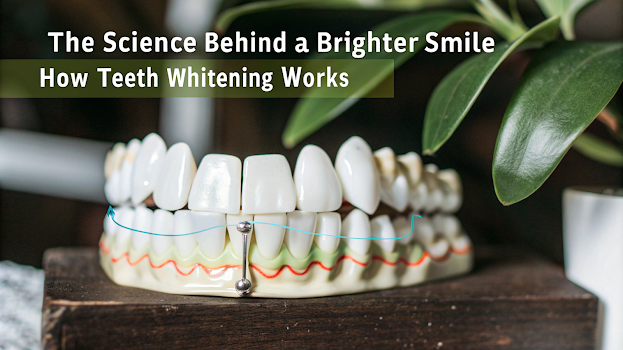
The Science Behind a Brighter Smile: How Teeth Whitening Works.

Image
  A beautiful, radiant smile is one of the first things people notice, and it's often associated with good health and confidence. However, over time, our teeth can lose their sparkle due to staining from foods, drinks, aging, and other factors. Fortunately, teeth whitening offers a solution to restore that youthful brightness. In this article, we will explore the fascinating science of teeth whitening, how it works, the different methods available, and how you can achieve a dazzling smile through various techniques—without needing to spend a fortune at the dentist’s office. Understanding Teeth Discoloration and Its Causes. Before diving into the methods of whitening, it's crucial to understand why teeth discolor in the first place. Our teeth are coated with a layer of enamel, a protective outer surface that serves as a shield against physical wear and environmental elements. However, enamel is porous, meaning it can absorb food particles, drinks, and other substances that caus...